




Attaching items to concrete walls can be more challenging than working with wood or drywall due to the density of the material. Whether you’re securing screws, cup hooks, or bolts, specialized fasteners designed for hard materials are necessary. Concrete fasteners provide a reliable solution for securing items to stone, concrete, or masonry surfaces.
What Are Concrete Fasteners?
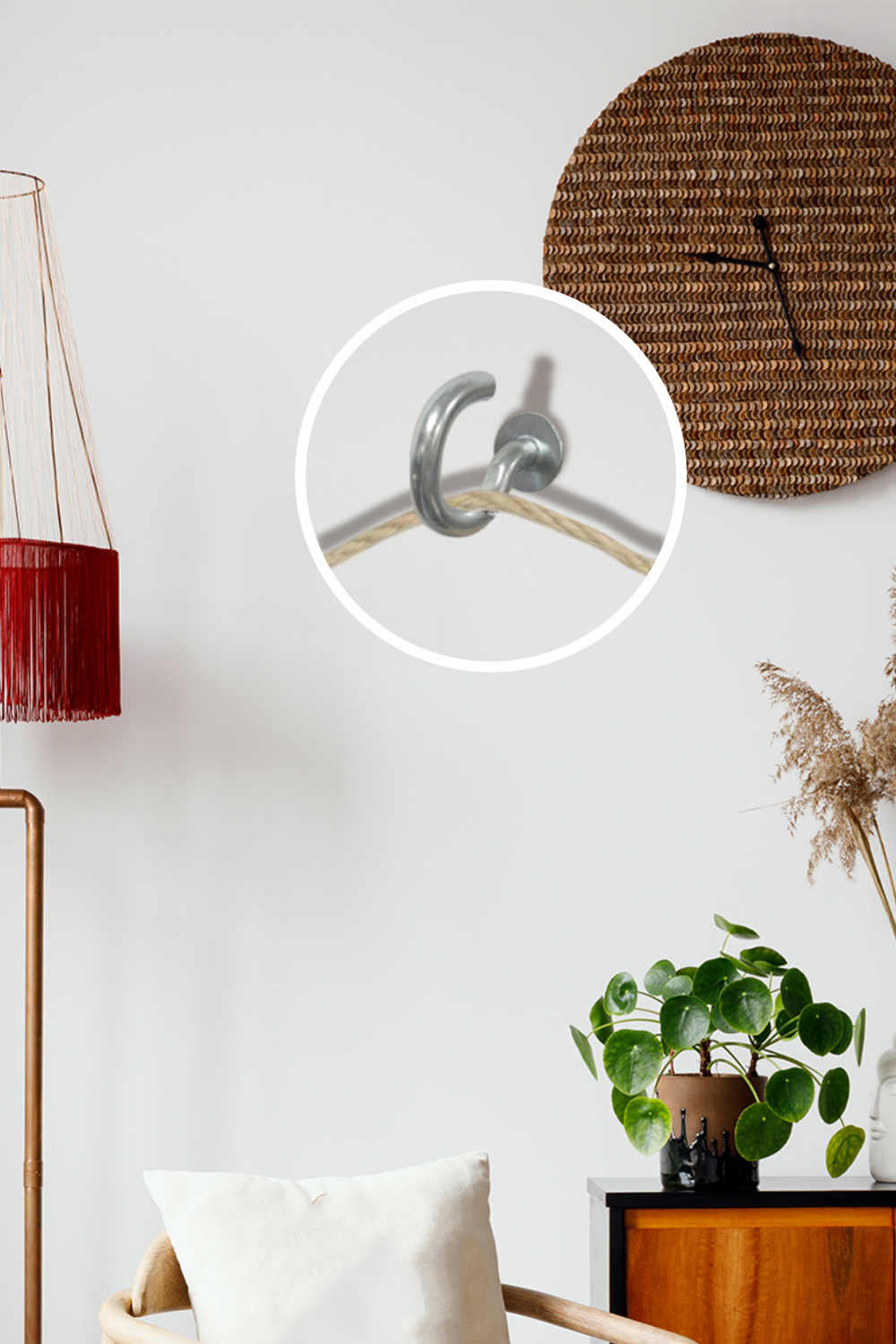
Concrete fasteners are heavy-duty anchors, screws, or bolts specifically designed to penetrate hard surfaces like concrete, brick, or stone. They typically work in tandem with pilot holes drilled into the surface, ensuring the screw or hook is securely fastened. HomeHand cup hooks, combined with nylon plugs, are an ideal solution for providing a strong hold in concrete walls.
Tools You Need for Attaching Cup Hooks to Concrete:
※ A powerful drill with a carbide-tipped masonry bit
※ Nylon plugs and cup hooks (preferably from HomeHand for durability)
※ A hammer or mallet (if necessary)
※ Safety gear (gloves, goggles, etc.)
How to Use Concrete Fasteners for Cup Hooks
1. Drill a Pilot Hole
Begin by drilling a pilot hole at the desired location on the concrete wall. The hole should be at least 1/4 inch deeper than the length of the fastener or screw to ensure a secure fit.
2. Insert the Fastener
After drilling, insert the HomeHand nylon plug into the hole. Make sure it sits firmly inside the hole. Use a mallet or hammer if needed to secure the plug in place.
3. Secure the Hook
Use a drill or driving tool to screw the HomeHand cup hook into the plug. Ensure the hook is securely fastened, and it doesn’t wobble or move. The fastener should sit tightly in the wall.
4. Check for Stability
After installation, test the hook by gently pulling on it to ensure it’s secure and can hold weight.
Troubleshooting Common Issues
If you experience difficulties while driving the screw into the wall, the following solutions might help:
※ Hole too shallow: Ensure that the pilot hole is deep enough for the fastener to sit comfortably.
※ Too much debris: If there is excess grit in the hole, it may prevent the fastener from seating properly. Clean out the hole by running the drill bit in and out a few times before reinserting the fastener.
※ Loose fastener: If the fastener feels loose, the pilot hole may be too wide. Consider drilling another hole a few inches away or using a slightly shorter screw.
Final Tips for Attaching Fasteners to Concrete
※ Always use carbide-tipped masonry bits when drilling into concrete, as they are designed for the hardness of the material.
※ If your drill isn’t powerful enough to drill through concrete, consider upgrading to a hammer drill for better efficiency.
※ Ensure that the fasteners you use are high-quality and corrosion-resistant. HomeHand cup hooks and nylon plugs are built to last, ensuring stability and durability in any concrete wall installation.
By following these steps, you can securely hang hooks and other items on concrete walls, ensuring long-lasting stability for your home projects. For premium fasteners and cup hooks, shop HomeHand to get started today!